Essential Insights on Gas Pipeline Pressure Pluggers for Effective Pipeline Management
Jun 11,2026
---
Gas pipeline pressure pluggers are vital tools in the management and maintenance of natural gas pipeline systems. These devices are designed to temporarily seal off sections of pipelines, allowing for pressure testing, repairs, or maintenance without the need to shut down the entire system. Understanding the function and advantages of gas pipeline pressure pluggers can greatly enhance the effi

---
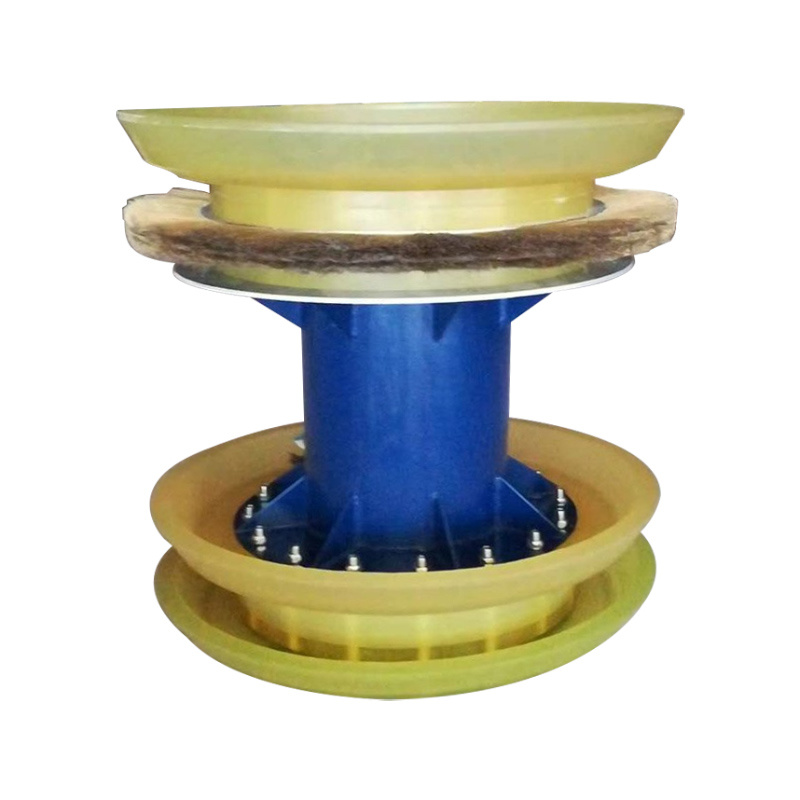
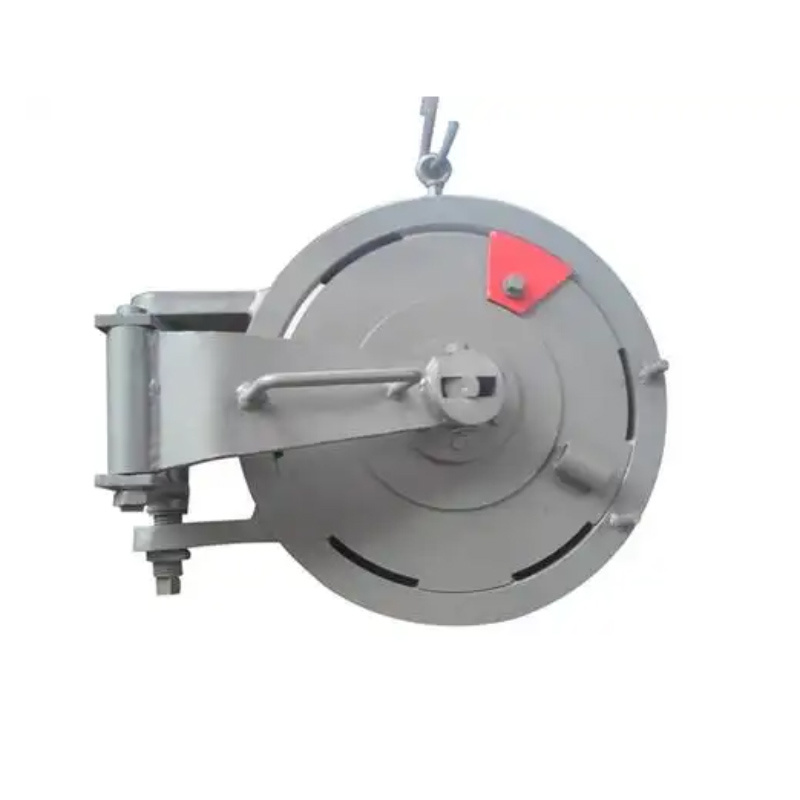
Gas pipeline pressure pluggers are vital tools in the management and maintenance of natural gas pipeline systems. These devices are designed to temporarily seal off sections of pipelines, allowing for pressure testing, repairs, or maintenance without the need to shut down the entire system. Understanding the function and advantages of gas pipeline pressure pluggers can greatly enhance the efficiency and safety of your operations.
One of the primary purposes of a gas pipeline pressure plugger is to facilitate pressure testing. This process is crucial for identifying leaks, assessing the integrity of the pipeline, and ensuring compliance with safety regulations. By isolating a section of the pipeline, operators can apply pressure to test its strength and leak-tightness. This is especially important during new installations or after significant repairs, where the integrity of the pipeline must be verified before it becomes operational.
In addition to testing, gas pipeline pressure pluggers are also valuable during maintenance activities. When a section of the pipeline requires repairs, using a plugger allows workers to safely access the area without the need for a full system shutdown. This not only minimizes downtime but also reduces the risk of accidents associated with gas exposure. Utilizing pressure pluggers can lead to more efficient maintenance workflows, ultimately saving both time and resources.
When selecting a gas pipeline pressure plugger, several factors should be considered to ensure optimal performance. The material compatibility is crucial, as the plugger must withstand the specific conditions of the gas being transported, including temperature and pressure variations. Additionally, the size and design of the plugger should match the pipeline dimensions for an effective seal. Regular inspections and maintenance of the plugger itself are also essential to ensure its reliability during use.
Safety is a paramount concern in any pipeline operation. Gas pipeline pressure pluggers contribute to a safer working environment by providing a reliable method of isolating sections of the pipeline. This allows for controlled work conditions, reducing the risk of leaks or accidents during maintenance activities. Implementing proper training for personnel involved in the use of these pluggers can further enhance safety and operational effectiveness.
In conclusion, gas pipeline pressure pluggers play a crucial role in the effective management of pipeline systems. They not only facilitate essential pressure testing but also enable maintenance activities with minimal disruption. By understanding their function and the considerations involved in their use, operators can improve the integrity and safety of their gas pipeline operations. Investing in quality pressure pluggers and ensuring proper training for staff can lead to a more efficient and secure pipeline management process.
Gas pipeline pressure pluggers are vital tools in the management and maintenance of natural gas pipeline systems. These devices are designed to temporarily seal off sections of pipelines, allowing for pressure testing, repairs, or maintenance without the need to shut down the entire system. Understanding the function and advantages of gas pipeline pressure pluggers can greatly enhance the efficiency and safety of your operations.
One of the primary purposes of a gas pipeline pressure plugger is to facilitate pressure testing. This process is crucial for identifying leaks, assessing the integrity of the pipeline, and ensuring compliance with safety regulations. By isolating a section of the pipeline, operators can apply pressure to test its strength and leak-tightness. This is especially important during new installations or after significant repairs, where the integrity of the pipeline must be verified before it becomes operational.
In addition to testing, gas pipeline pressure pluggers are also valuable during maintenance activities. When a section of the pipeline requires repairs, using a plugger allows workers to safely access the area without the need for a full system shutdown. This not only minimizes downtime but also reduces the risk of accidents associated with gas exposure. Utilizing pressure pluggers can lead to more efficient maintenance workflows, ultimately saving both time and resources.
When selecting a gas pipeline pressure plugger, several factors should be considered to ensure optimal performance. The material compatibility is crucial, as the plugger must withstand the specific conditions of the gas being transported, including temperature and pressure variations. Additionally, the size and design of the plugger should match the pipeline dimensions for an effective seal. Regular inspections and maintenance of the plugger itself are also essential to ensure its reliability during use.
Safety is a paramount concern in any pipeline operation. Gas pipeline pressure pluggers contribute to a safer working environment by providing a reliable method of isolating sections of the pipeline. This allows for controlled work conditions, reducing the risk of leaks or accidents during maintenance activities. Implementing proper training for personnel involved in the use of these pluggers can further enhance safety and operational effectiveness.
In conclusion, gas pipeline pressure pluggers play a crucial role in the effective management of pipeline systems. They not only facilitate essential pressure testing but also enable maintenance activities with minimal disruption. By understanding their function and the considerations involved in their use, operators can improve the integrity and safety of their gas pipeline operations. Investing in quality pressure pluggers and ensuring proper training for staff can lead to a more efficient and secure pipeline management process.